Industrial Remapping Is it Worth it?

Improve performance and efficiency with tractor remapping at Dan Turner Automotive. Specialist agricultural tuning for John Deere, New Holland and more.
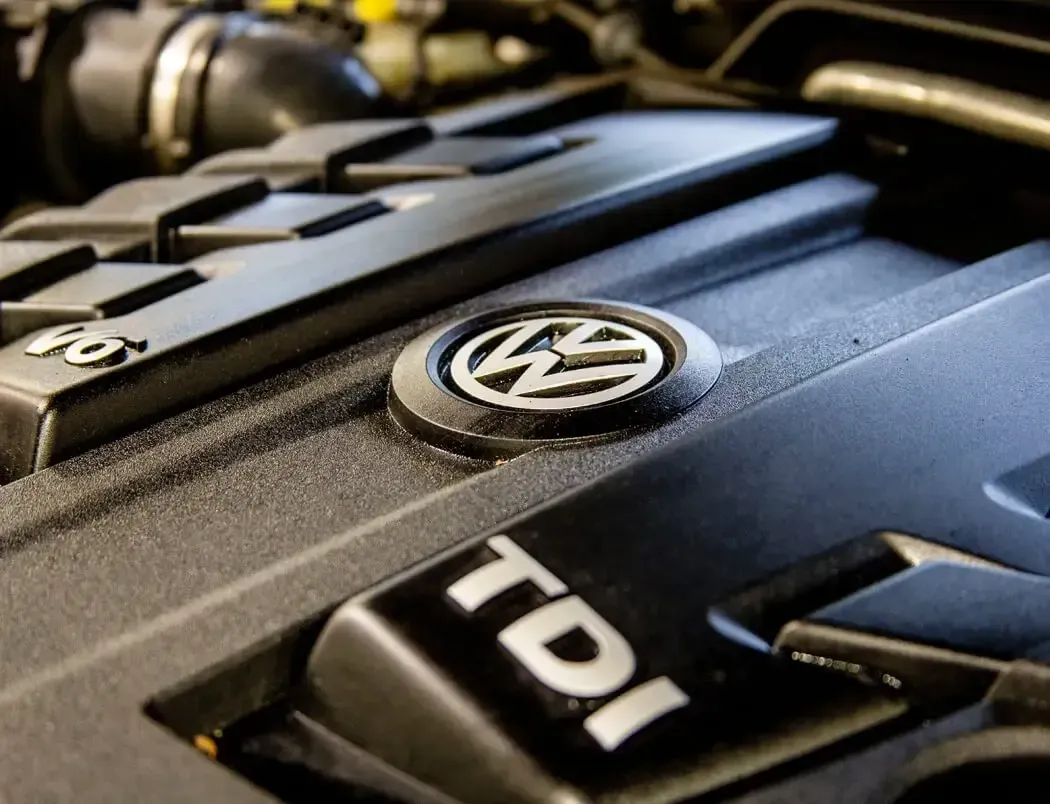
Looking for a VW specialist in Bristol? Dan Turner Automotive offers expert Volkswagen servicing, diagnostics and repairs using specialist tools and experience.

If you own a Volkswagen, you already know they’re built differently. From the engineering behind TSI and TDI engines to DSG gearboxes and advanced onboard electronics, VW vehicles are a step ahead in many ways — but that also means they need the right expertise when it comes to diagnostics, servicing, repairs, and performance upgrades. At Dan Turner Automotive, I work with Volkswagen vehicles day in, day out. Being a VW specialist isn’t a buzzword for me — it’s the result of hands-on experience, brand-specific diagnostic equipment, and a genuine passion for getting the best out of these cars, whether that’s reliability, efficiency, or performance. In this blog, I’ll explain why using a VW specialist matters, what common issues we see, and how specialist diagnostics, servicing, and remapping can make a real difference to your car. Volkswagen Vehicles Are Smarter — and More Complex Modern Volkswagen models are packed with technology. Even something as routine as a service involves more than just changing oil and filters. VW vehicles rely heavily on: Advanced ECU and module communication Digital service intervals Electronic parking brakes DSG gearbox software Emissions systems like EGR, DPF, and AdBlue A general garage can work on Volkswagens — but a VW specialist understands how everything talks to everything else. That difference becomes especially important when a warning light comes on, performance drops, or a fault keeps returning after being “fixed”. Specialist VW Diagnostics: More Than a Code Reader One of the most common things I see is customers arriving after another garage has cleared a fault code… only for the problem to come straight back. Why generic diagnostics fall short Basic diagnostic tools often: Read fault codes without full VW data Miss manufacturer-specific fault descriptions Can’t access all control modules Don’t show live sensor values accurately As a VW specialist, I use manufacturer-level diagnostic equipment that allows me to: Read full VW fault data See live engine and sensor readings Perform guided fault finding Carry out module coding and adaptations That means faster diagnosis, fewer repeat visits, and correct repairs first time. Common VW Issues I Regularly Diagnose Volkswagens are solid cars, but like any brand, they have known patterns. Because I work on them so often, I can spot issues early — often before they turn into expensive repairs. Some common VW-related faults we see include: Engine & emissions issues EGR valve faults DPF warning lights and regeneration issues Boost leaks and turbo control problems Faulty sensors causing limp mode Electrical & warning lights Engine management light (EML) ABS / traction control warnings Airbag faults Battery management system issues DSG gearbox concerns Rough gear changes Delayed engagement Mechatronic faults Software-related issues Catching these early with proper diagnostics can save hundreds — sometimes thousands — in repair costs. VW Servicing: Done Properly, Not Just “Ticked Off” Servicing a Volkswagen correctly is about far more than maintaining a stamp in the book. At Dan Turner Automotive, our VW servicing follows: Manufacturer service schedules Correct VW-approved oils and parts Digital service record updates (where applicable) Full health checks tailored to VW vehicles Why specialist servicing matters Incorrect oil grades, missed service resets, or skipped checks can: Trigger warning lights Affect engine longevity Cause DSG gearbox issues Impact resale value A VW specialist knows exactly what each engine and model requires — whether it’s a Polo, Golf, Passat, Tiguan, Transporter, or performance model. VW Repairs: Fixing the Cause, Not the Symptom I believe in repairing cars properly, not just getting them out of the door. Because I specialise in VW vehicles: I know where to look first I understand common failure points I use correct repair procedures I don’t guess This approach leads to: Fewer repeat visits Better reliability Longer-lasting repairs Whether it’s a timing issue, cooling fault, suspension wear, or electrical gremlin, my experience with Volkswagen models allows me to work efficiently without cutting corners. VW Remapping: Safe, Proven Performance Gains Remapping is one of the most popular services for VW owners — and for good reason. Volkswagen engines are often detuned from factory, meaning there’s safe performance and efficiency to be unlocked with a professional remap. Benefits of a VW remap Increased power and torque Improved throttle response Smoother power delivery Potential fuel economy gains (when driven sensibly) We tailor our remaps to: The specific engine and ECU The condition of your vehicle Your driving style and needs Because we already specialise in VW diagnostics and repairs, I ensure: The vehicle is healthy before remapping No underlying faults are hidden The remap is safe, reliable, and reversible This is especially important for DSG-equipped vehicles and modern turbocharged engines. Why VW Owners Choose a Specialist Garage I regularly hear the same thing from customers: “I wish I’d brought it to you first.” Choosing a VW specialist means: Accurate diagnostics from the start No guesswork Proper servicing procedures Repairs done once — not repeatedly Honest advice tailored to your car You wouldn’t take a performance watch to a supermarket jeweller. The same logic applies to modern vehicles — especially Volkswagens. Local, Independent, and Passionate About VW Being an independent VW specialist allows me to offer: Main dealer-level expertise More personal service Competitive pricing Honest recommendations I'm not tied to sales targets or unnecessary upsells. My reputation is built on trust, quality workmanship, and long-term customer relationships. Book Your VW In With Confidence Whether you need: A warning light diagnosed A proper VW service Reliable repairs Or a professional remap Dan Turner Automotive is here to help. If you drive a Volkswagen and want specialist care from people who genuinely understand the brand, you’re in the right place.
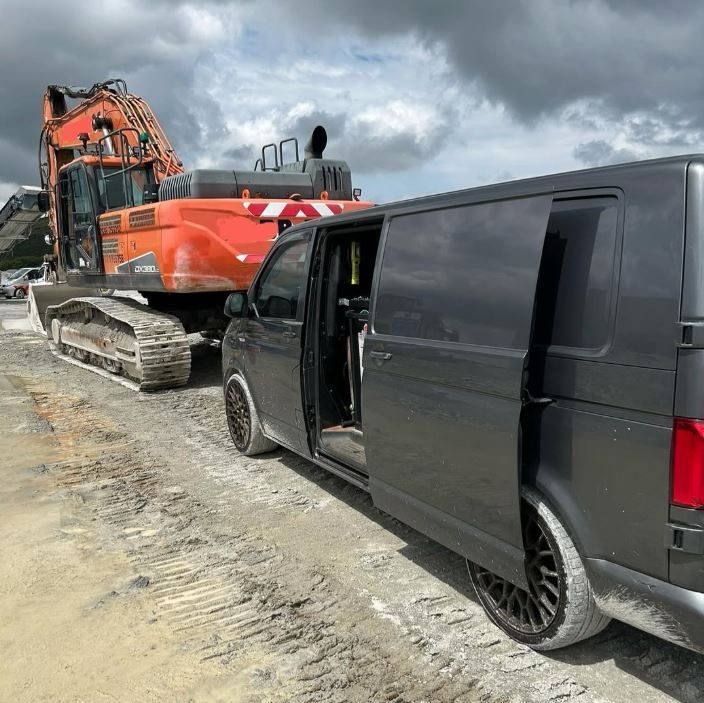
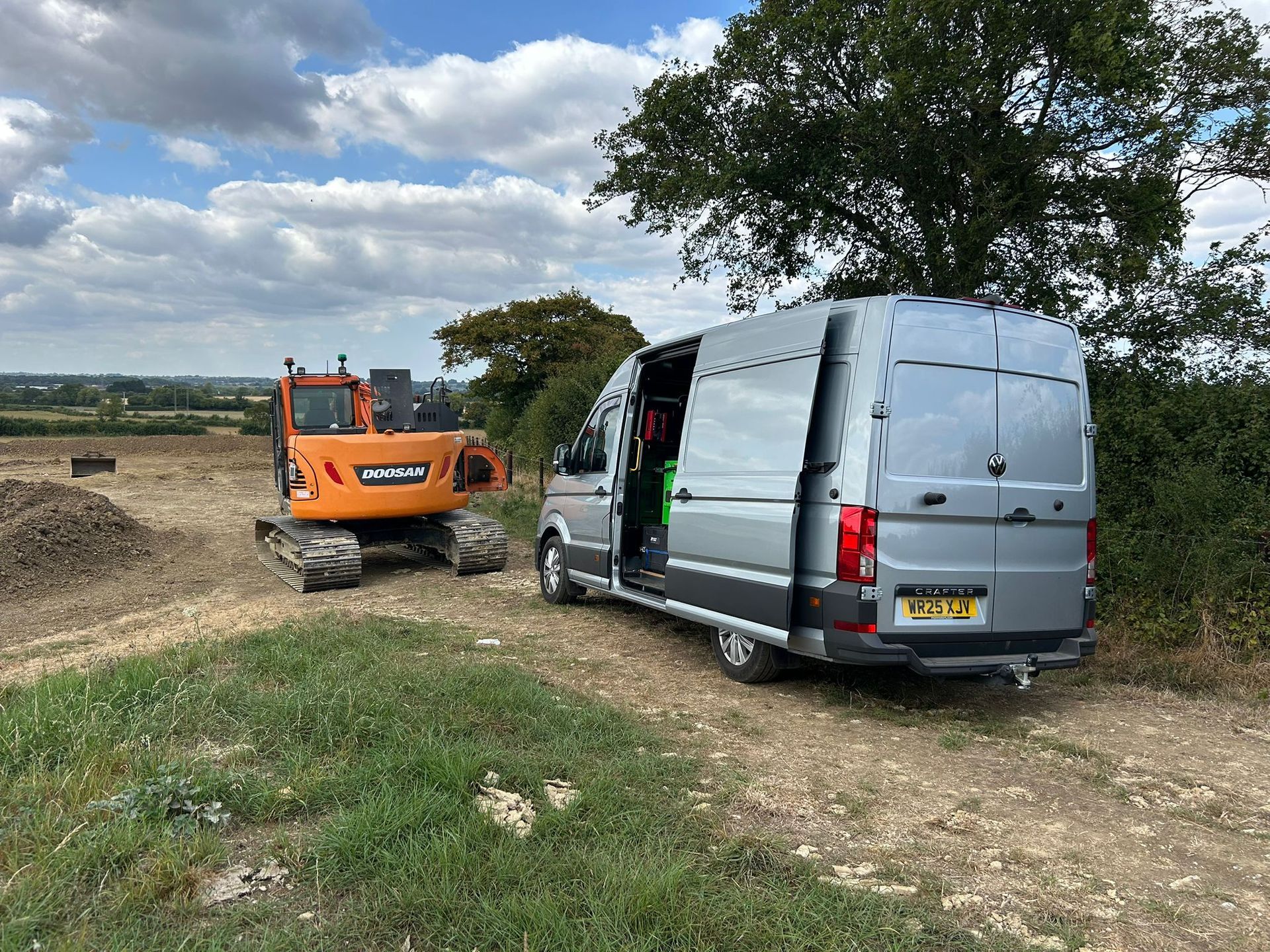
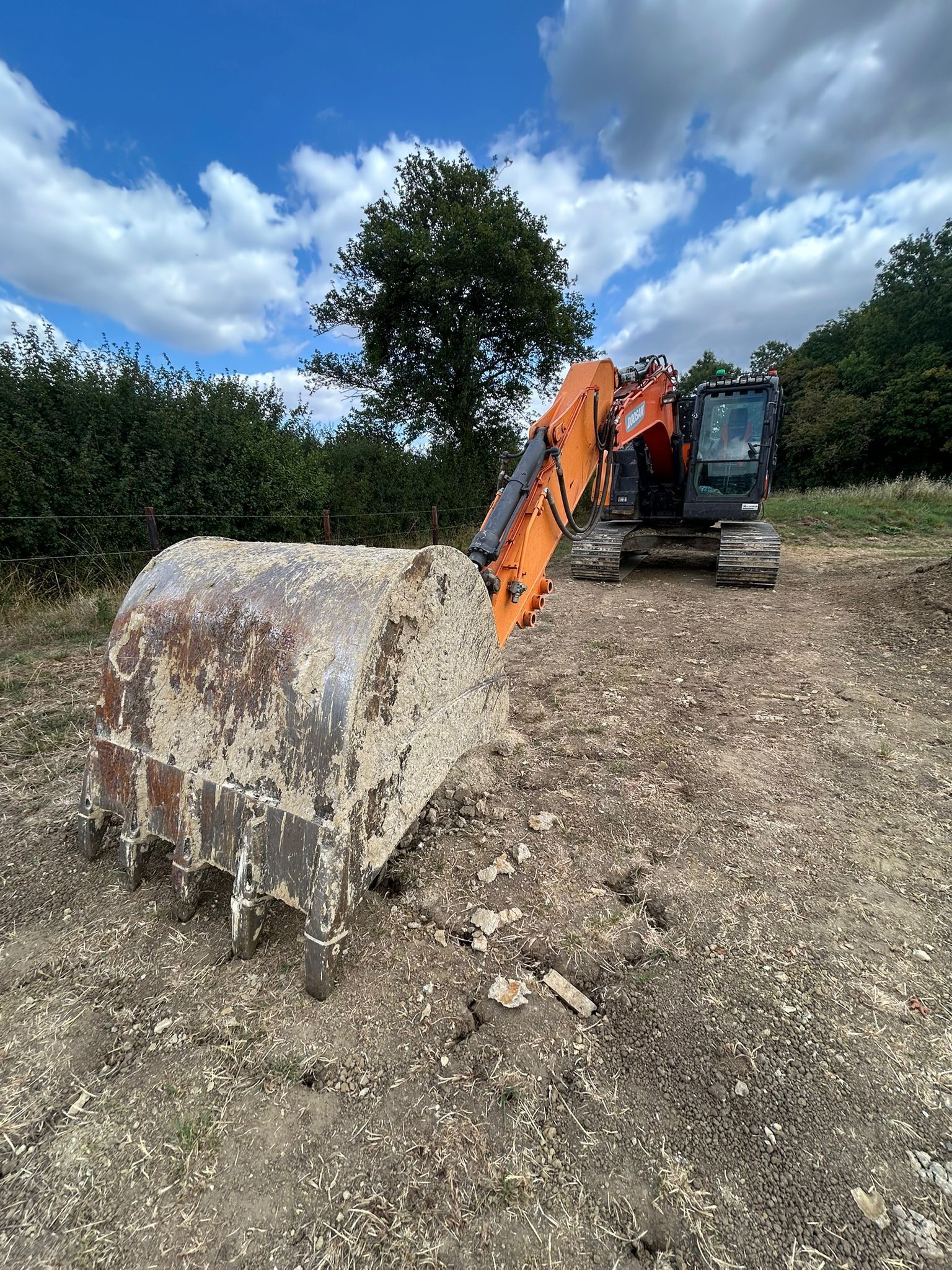
Industrial machinery is built to work hard. Whether it’s construction equipment, plant machinery or specialist industrial vehicles, performance, efficiency and reliability all have a direct impact on productivity. I provide industrial machinery remapping designed to improve torque delivery, drivability and fuel efficiency, while keeping reliability at the forefront. What Is Industrial Machinery Remapping? Industrial remapping involves optimising the ECU software on engines used in: Plant and construction machinery Forklifts and material handling equipment Generators Commercial and industrial vehicles Many industrial engines are shared across multiple power outputs. From factory, they’re often set conservatively to suit a wide range of applications. Remapping allows the engine to be better optimised for how the machine is actually used. Built for Load, Not Speed Industrial remapping is not about speed or aggressive tuning. The focus is on: Improved low-end torque Smoother throttle control Reduced strain under load Consistent performance during operation This results in machinery that’s easier to operate and more predictable in demanding conditions. Improving Fuel Efficiency Across Operations When equipment runs for long hours, even small efficiency gains can add up. Optimised engine mapping can: Reduce fuel usage during steady operation Improve efficiency at working RPM ranges Lower overall operating costs For businesses running multiple machines, these improvements can make a real difference over time. A Reliability-First Approach Downtime costs money, which is why reliability is always the priority. Every industrial remap I carry out: Stays within safe manufacturer tolerances Is matched to the machine’s workload Is tested for real-world conditions I never chase unrealistic figures or compromise long-term durability. Is Industrial Machinery Remapping Right for You? If your machinery feels underpowered, inefficient or strained under load, remapping may be a practical solution. It’s a cost-effective way to improve performance and efficiency without physical modifications or extended downtime.
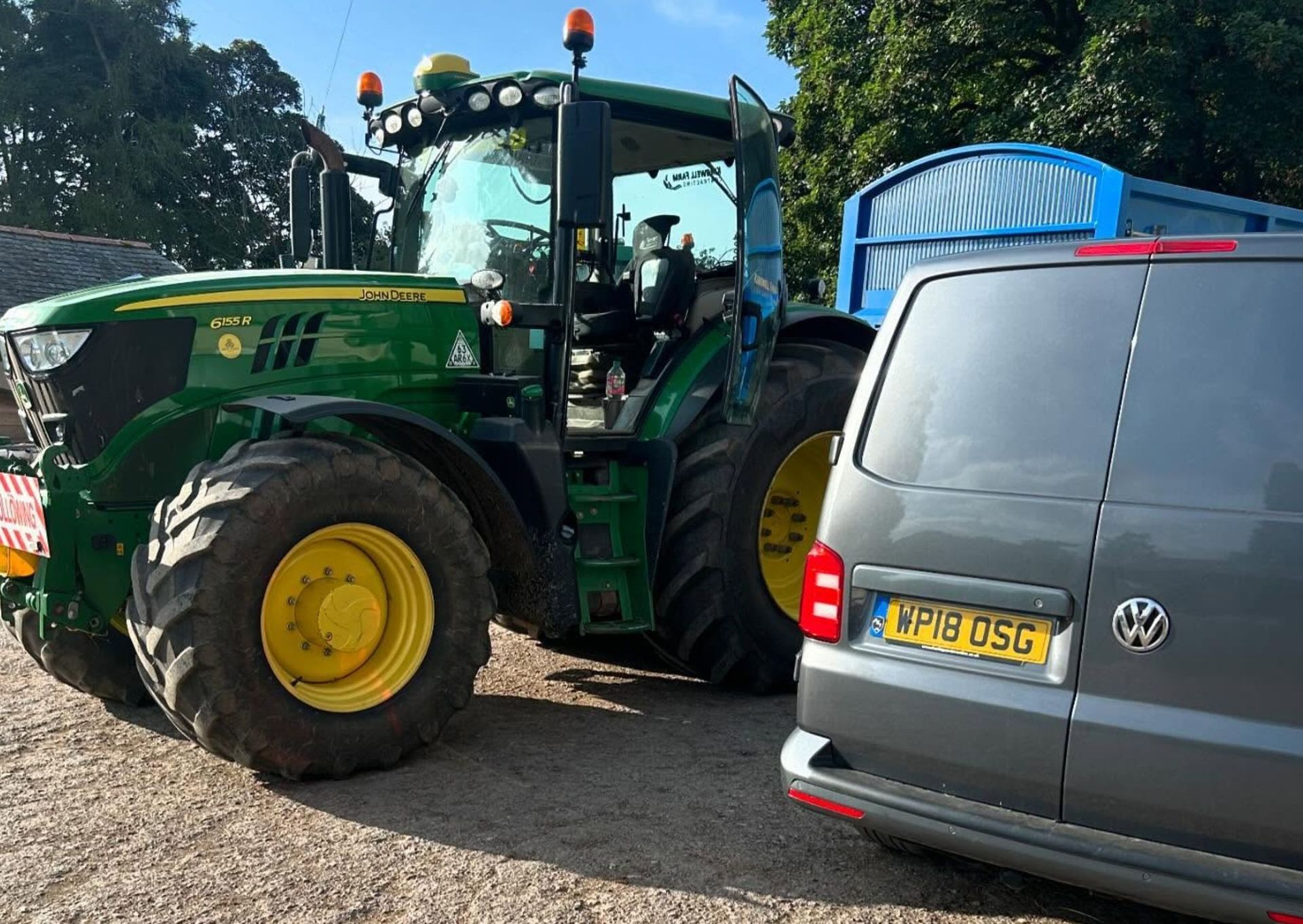
Modern agricultural vehicles are far more advanced than they used to be. Tractors , telehandlers and utility machines now rely on complex engine management systems to meet emissions regulations and suit a wide range of working conditions. At Dan Turner Automotive , I offer agricultural vehicle remapping that focuses on real-world performance — improving torque, drivability and efficiency without compromising reliability. This isn’t about pushing machinery to its limits. It’s about making it work better for the job it does every day. What Is Agricultural Vehicle Remapping? Agricultural remapping involves recalibrating the engine control unit (ECU) to optimise how the engine delivers power under load. Manufacturers often use the same engine across several models and power outputs. To allow for this, many machines are detuned from factory. A professional remap safely unlocks some of that unused potential. For agricultural vehicles, the priority is always: Stronger low-RPM torque Improved pulling power Smoother power delivery Better fuel efficiency during working hours Why Torque Matters More Than Power Figures In agriculture, usable torque matters far more than peak horsepower. Whether you’re pulling heavy implements, loading materials, working on inclines or operating PTO-driven equipment, you need power where the engine actually works — not at the top of the rev range. A well-calibrated remap can: Reduce the need for constant gear changes Improve throttle response under load Make the engine feel less strained Deliver smoother, more controlled performance Over long working days, these improvements make a noticeable difference. Fuel Efficiency in Real Working Conditions Fuel costs are one of the biggest ongoing expenses in agriculture. By optimising torque delivery and combustion efficiency, remapping allows the engine to operate at lower RPM for the same workload. This can reduce fuel consumption over time, particularly on machinery used daily. It’s not about driving harder — it’s about working smarter. A Sensible, Reliable Approach to Remapping Before carrying out any agricultural remap, I always: Carry out full diagnostic checks Check for existing fault codes Assess engine condition and usage Tailor the software to the machine’s role Reliability always comes first. Every remap is developed with longevity and real-world use in mind. Agricultural Vehicles Suitable for Remapping Agricultural remapping is suitable for a wide range of machinery, including: Tractors Telehandlers Loaders Utility vehicles Specialist agricultural equipment Each remap is adjusted based on how the vehicle is used and the demands placed on it. A Cost-Effective Upgrade for Working Machinery Compared to replacing equipment or making mechanical modifications, remapping offers: Minimal downtime No physical changes to the engine Excellent return on investment Fully reversible software For many operators, it’s one of the most effective upgrades available.